
About Us — On The Fly DMI
What Is DMI?
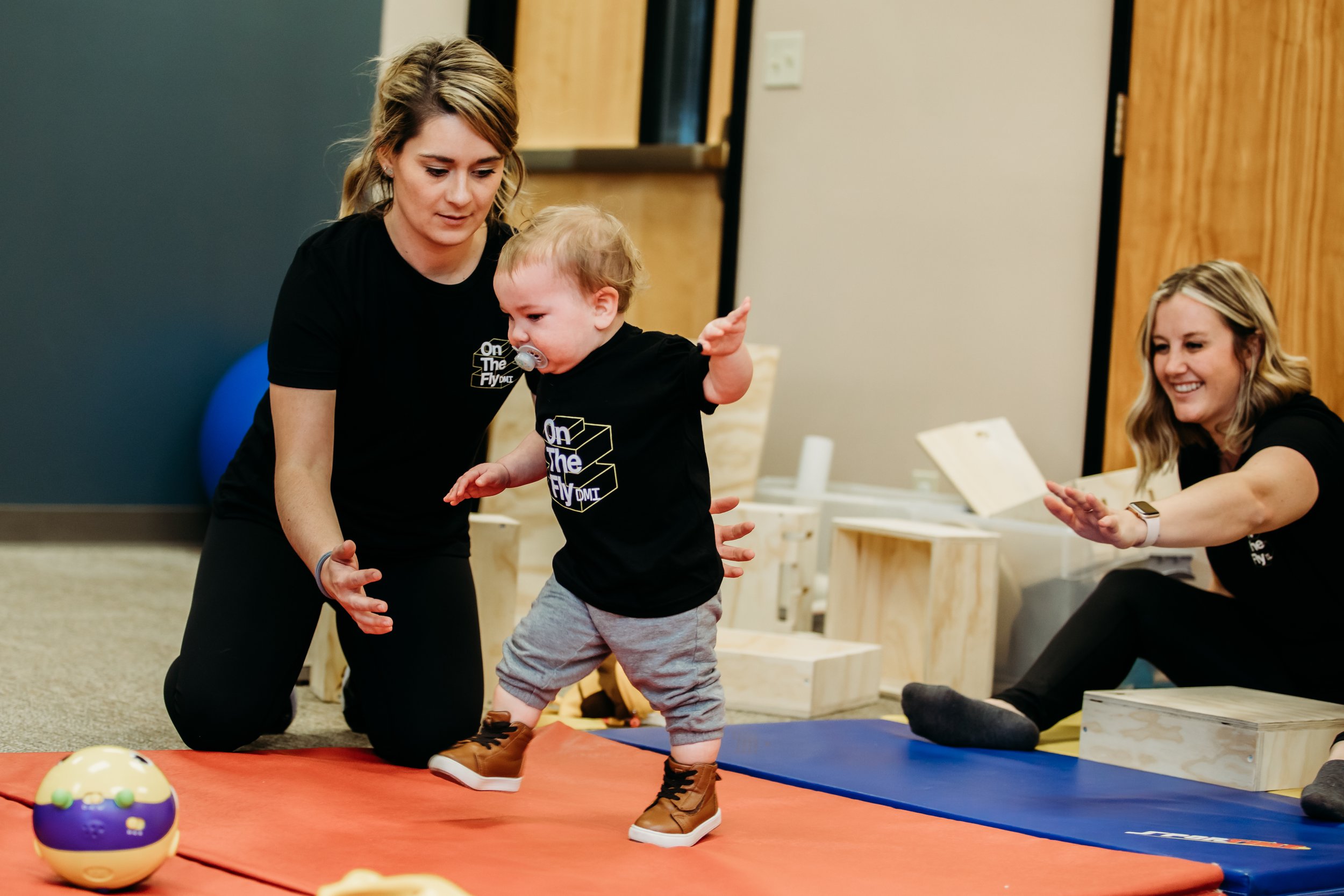
Dynamic Movement Intervention (DMI) is a specialized therapeutic approach used in physical and occupational therapy to help children with motor delays improve movement, balance, and postural responses through active, targeted exercises.
It supports neuroplasticity, encouraging the brain to form new connections and reach developmental milestones.
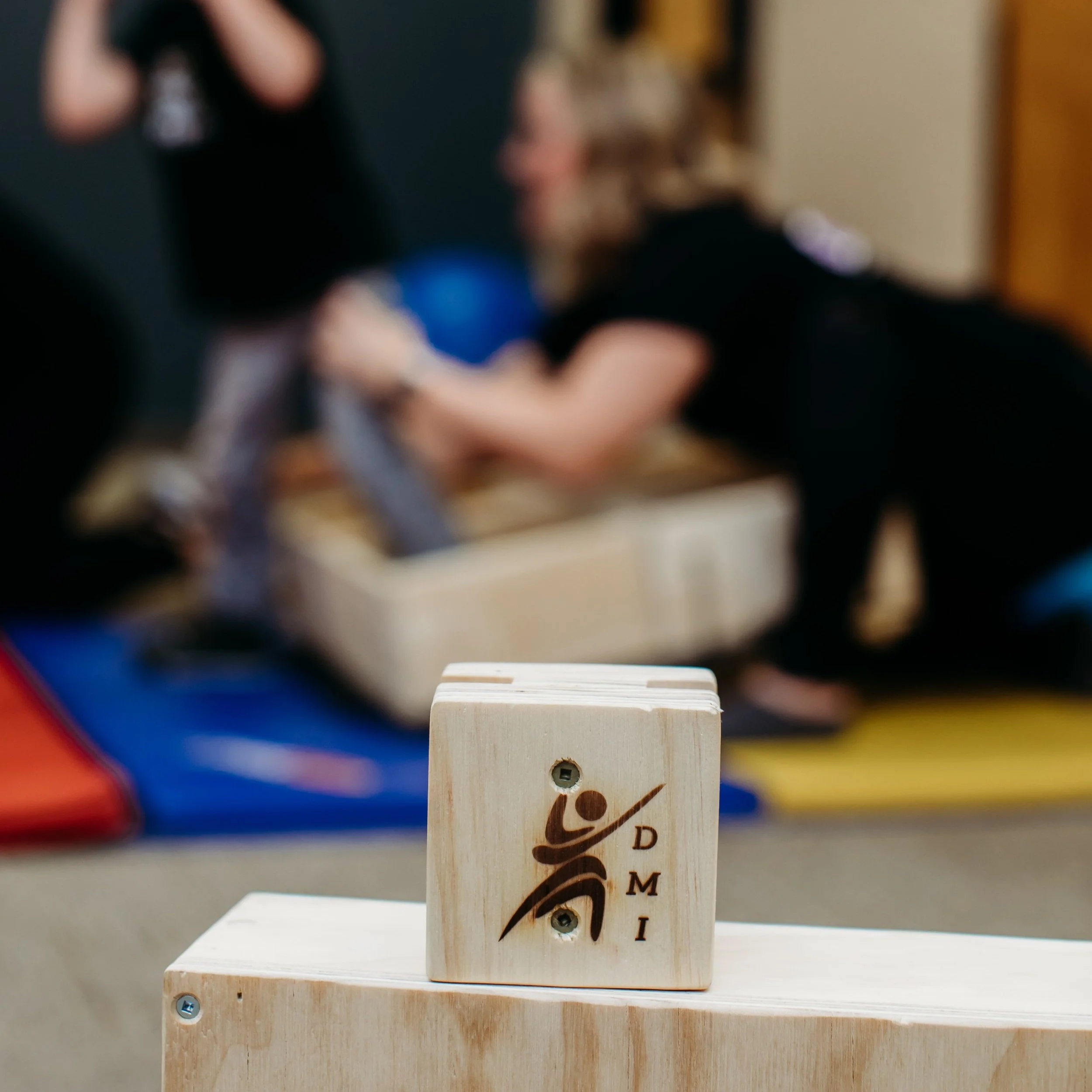
DMI Helps With:
Gross Motor Skills
Alignment & Postural Control
Balance & Functional Movement
Range of Motion
Somatosensory Development
Modifying Tone & Reflexes
Global Motor Development
Who Can Benefit From DMI?

Dynamic Movement Intervention (DMI) can benefit children with a wide range of motor delays and neurological challenges. Therapy can begin as early as 1–2 months of age and is appropriate for children across all developmental stages.
DMI focuses on stimulating neuroplasticity in the developing brain, meaning children can benefit regardless of cognitive level or the extent of neurological involvement. The goal is to activate and strengthen movement patterns to support functional progress.
Hypotonia
Chromosomal Abnormalities / Genetic Disorders
Spinal Cord Lesions
Acquired Brain Injury
Down Syndrome
Cerebral Palsy
Global Developmental Delay
What Is an On The Fly DMI Intensive?
An intensive is a powerful block of therapy designed to accelerate progress through repetition and consistency.
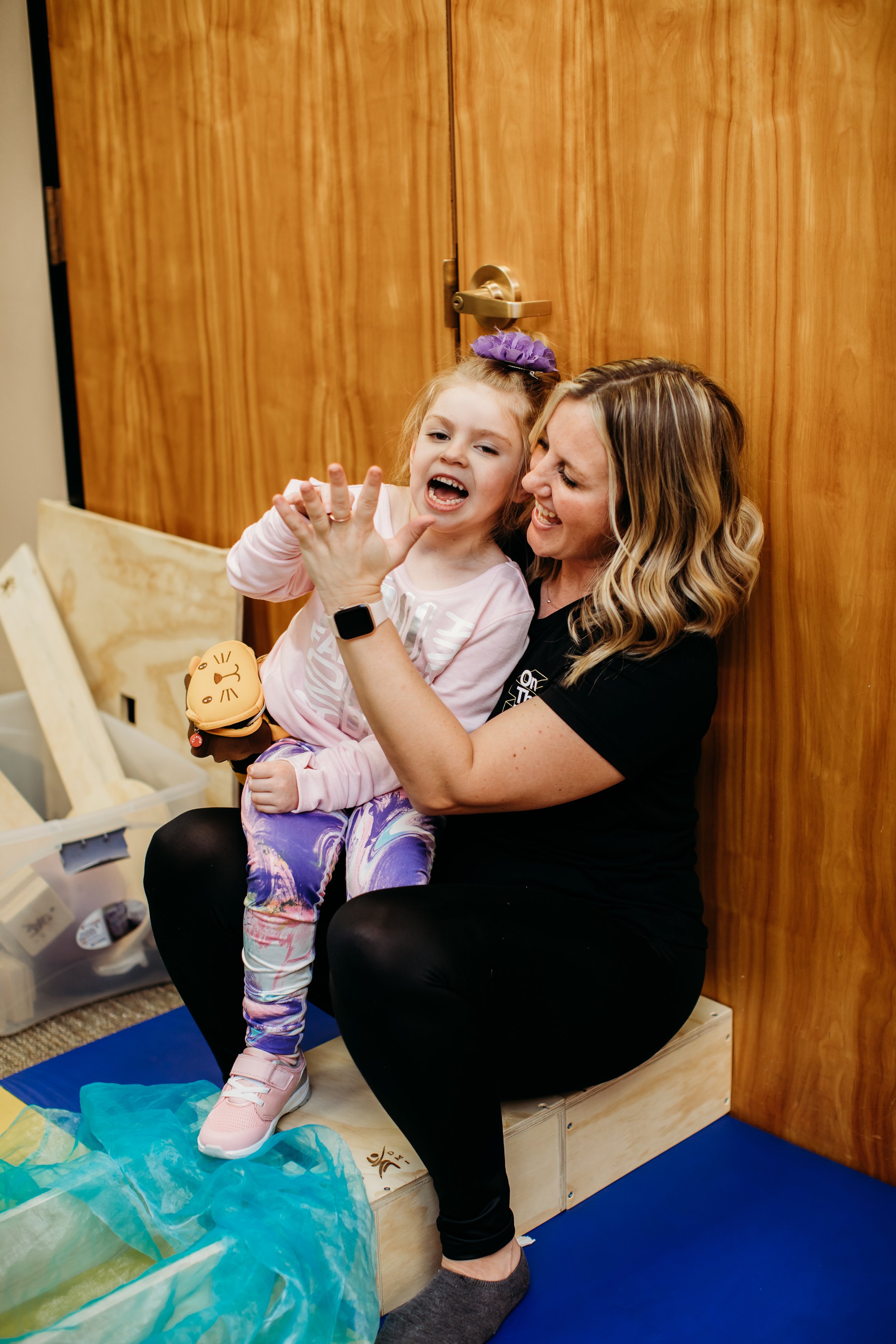
Details:
1–2 weeks long
5 days per week
2 sessions per day
Each session ~50 minutes
During intensives, we:
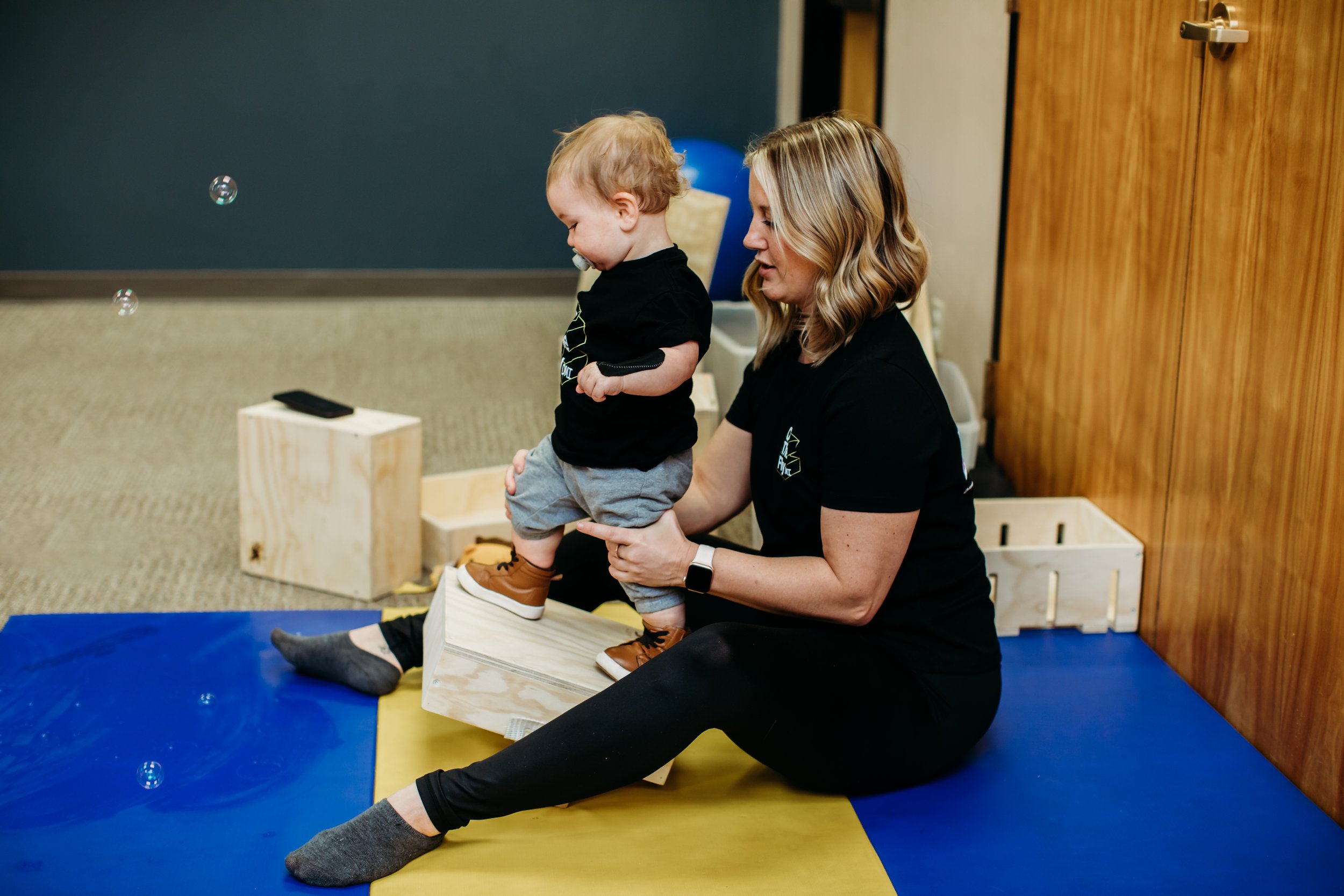
Challenge neurological systems with active movement
Use exercises against gravity and across multiple planes
Encourage progression toward distal support
Integrate tools like NMES, whole-body vibration, theratogs, and more
Weight & Safety Considerations
Because DMI is physically demanding for both the child and the therapist, weight is taken into consideration to ensure maximum safety and effectiveness.
If a child weighs over 45 lbs and requires assistance to stand, a brief Zoom pre-screening is required to determine appropriateness for intensive therapy.
If accepted, some DMI exercises may be modified, and traditional therapy techniques may be incorporated as needed.
For children over 45 lbs who can walk with minimal assistance, weight is not a limiting factor.
Our priority is always your child’s safety, meaningful progress, and the long-term sustainability of care.
The Home Exercise Program:
A Vital Part of the Intensive
To help your child maintain the skills gained during the intensive and continue progressing toward new milestones, following the home exercise program is essential.
Your therapist will design a customized program tailored specifically to your child. This plan can be carried out by parents, caregivers, or weekly therapy providers to ensure consistency and continued growth.
Before the final day of the intensive, your therapist will review each exercise with you and make sure you feel confident and comfortable implementing the program at home.